Genetics Takes on the Dairy Industry
San Francisco, California is a place known for their packed filled streets, graffitied walls and houses so close they touch. This is where I spent four grueling years of my life attending St. Ignatius College Prepatory. The city is untouched by the agriculture world, as it was to me. This is how I knew Cal Poly was the only place I wished to attend college, better yet attend as a Dairy Science major.
My first quarter here I had two dairy science classes. They were hands on and taught me the ropes when it came to handling dairy cows and farms. The dairy program here continues to teach me new and improved ways revolving around every aspect of dairy farming.
More specifically, how to improve the reproductivity of cows through genetics. I recently took part in a class that touched on how scientists are able target specific genetic traits in bulls, rather than cows to produce calves that will significantly increase milk production. If dairy farms have cows that produce more milk, the number of cows in each herd will decrease. This leads to a decrease in greenhouse air emissions because with less cows there will be less manure and fertilizers to contribute to global warming.
Dairy farmers around the world are searching for ways to be as sustainable as possible, but this brilliant idea was all new to me. A study from the Genetics and Management department at Virginia Polytechnic State University stated, “The use of genome information to select sires of replacement females in dairy herds could increase the rate of genetic progress by at least 50%.” This is a simple new way of reproduction that is still being tested, but already has so much potential in decreasing global warming.
Scientist even discovered that they can target genomes that even make cows release fewer greenhouse gases, so basically making them less gassy! This new information that I learned has inspired me to work with genetics in the future; so one day I can be responsible for targeting specific genetics to partake in ending global warming.
Here we have a clear picture of how massive piles of manure release significant amounts of greenhouse gases. Worldwide there are 270 million dairy cows, imagine how many gases are being released as of right now.
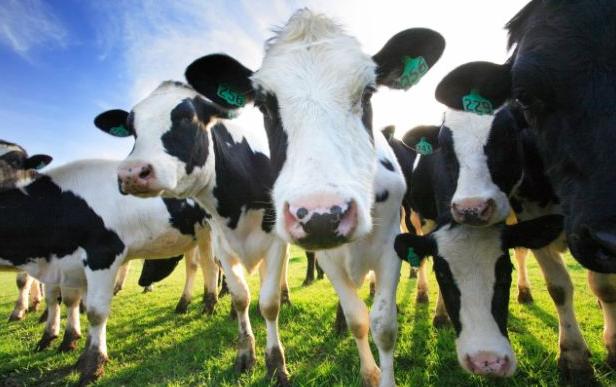
In photo two, we see some of the first genetically modified cows. They are still young heifers showing how new genetic targeting is. These cows however were genetically modified to be born without any horns. Dairy calves must be dehorned, which can often be a painful process. Just another way genetics can make a positive difference.
#JOUR205
#8AM
#MRS.LEWIS